
Wichita’s Windiest Days: How to Protect Your HVAC System
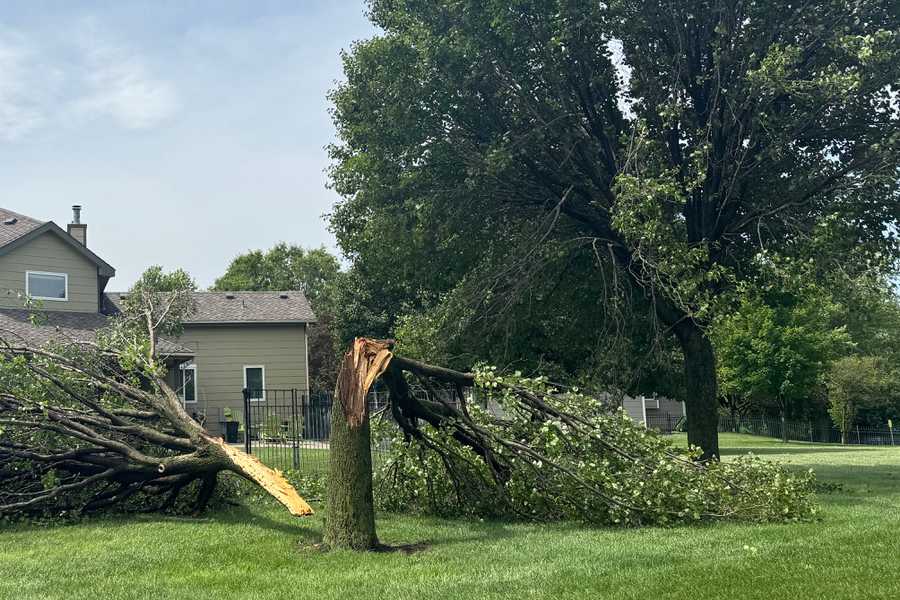
Wichita is no stranger to strong winds. With average wind speeds around 11–12 mph and rare gusts topping 80 mph, wind-related HVAC damage is a real concern for homeowners.
Follow this practical guide from Roth Heating & Air to safeguard your outdoor HVAC unit and keep your system running smoothly—even when the winds pick up.

1. Anchor Your Outdoor Unit Securely
Strong gusts can shift or even topple unanchored HVAC units. To prevent this:
- Ensure your unit is fastened to a concrete pad.
- Secure it with weather‑grade metal straps or anchor kits, or use heavy-duty ratchet straps in a temporary setup.
If you’re unsure how to secure your unit properly, Roth Heating & Air can perform a professional inspection and anchoring service.
2. Clear Debris and Keep Landscaping Trimmed
Flying debris—tree branches, yard items—can damage coils and fan blades. Before high-wind periods:
- Trim overhanging branches near the unit.
- Remove toys, furniture, or lawn tools from the yard.
A clear area around the unit reduces impact risk and improves airflow.
3. Use a Breathable Cover When Needed
In areas prone to wind-blown leaves or objects near your unit, a breathable cover can help protect the top and sides. Make sure it:
- Allows ventilation to prevent trapped moisture.
- Is made from UV-resistant, weather-grade fabric—not plastic tarp.
Avoid tightly sealed covers that trap condensation, as these can promote rust or mold.
4. Shut Down HVAC During Severe Winds
If a high‑wind storm is forecast—or lightning is nearby—turn off your HVAC system at both thermostat and breaker. This helps prevent damage from power surges and debris entry.
After the storm passes, wait until power is stable before restarting your system. Inspect the unit visually or call Roth for a post-event evaluation.
5. Replace Filters and Inspect Ducts Regularly
Windy weather often means increased dust and allergens. A clogged filter can:
- Restrict airflow.
- Overstrain internal components.
- Degrade indoor air quality.
Check and replace your HVAC filter every 1–3 months and consider scheduling air duct cleaning with Roth when winds stir up more debris.
6. Plan Annual Maintenance with Roth
Roth Heating & Air’s maintenance services include seasonal inspections, filter checks, coil cleaning, and safety tuning. Early care helps detect loose screws, damaged fins, or mounting issues before wind storms hit.
Joining a maintenance plan also gives you priority scheduling and peace of mind—especially during severe weather events.
Wind Damage Protection Checklist
- Anchor outdoor HVAC unit securely
- Clear yard and trim branches regularly
- Use breathable protective covers if needed
- Power down system during severe storms
- Replace filters and clean ducts more often in windy seasons
- Schedule preventative maintenance with Roth
Why Wichita Winds Matter
Spring through summer brings the highest wind speeds in Wichita—averaging over 12 mph in April specifically, with periodic high‑speed storm gusts. Even when not part of a tornado or severe thunderstorm, these gusts can loosen fittings, bend fins, and expose sensitive equipment.
Protecting your outdoor HVAC unit from shifting, debris, and moisture allows your heating and cooling system to work reliably and efficiently year-round.
Need HVAC Help in Windy Weather?
Roth Heating & Air offers trusted residential HVAC service in Wichita—covering outdoor unit anchoring, filter replacements, and full-system tune‑ups. Don’t wait for windy weather to cause damage. Contact Roth Heating & Air to schedule your inspection or service today.
Stay proactive, stay calm, and keep your HVAC system safe when Wichita’s winds pick up.
 Roth Heating & Air
 Roth Heating & Air
 Roth Heating & Air
 Roth Heating & Air
 Roth Heating & Air
 Roth Heating & Air
 Roth Heating & Air


 Roth Heating & Air
 Roth Heating & Air
 Roth Heating & Air
 Roth Heating & Air