
What Is Dirty Sock Syndrome? Why Your Air Conditioner Might Smell Bad
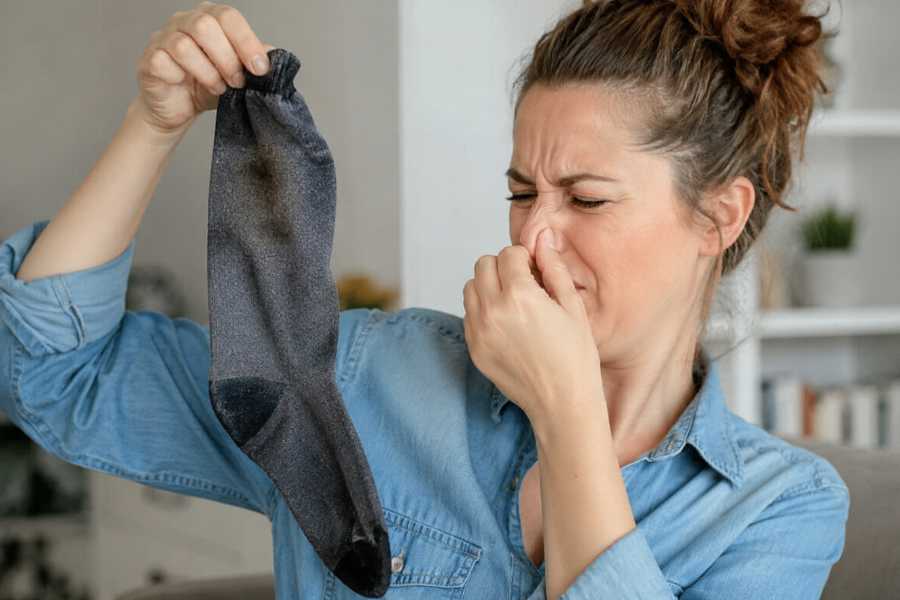
You turn on your air conditioner expecting cool, refreshing air. Instead, you’re greeted by an unpleasant odor that smells surprisingly similar to dirty gym socks. If this sounds familiar, your HVAC system may be experiencing a problem known as Dirty Sock Syndrome.
While the name may sound humorous, Dirty Sock Syndrome is a real issue that affects some air conditioning systems and can make your home uncomfortable. Fortunately, understanding what causes it and how to address it can help restore clean, fresh air throughout your home.
For homeowners in Wichita, KS, recognizing the signs of Dirty Sock Syndrome early can help prevent ongoing odor issues and ensure your air conditioning system continues operating efficiently throughout the cooling season.
What Is Dirty Sock Syndrome?
Dirty Sock Syndrome is a term used to describe a musty, mildew-like odor that comes from an air conditioning system when it first starts running. The smell is often compared to dirty socks, wet laundry, or a damp basement.
The odor is typically associated with the evaporator coil inside the indoor portion of your air conditioning system. Over time, moisture, dust, and organic particles can accumulate on the coil. When conditions are right, bacteria and mold can begin to grow on the surface, creating unpleasant odors that are circulated throughout the home.
Why Does Dirty Sock Syndrome Happen?
Several factors can contribute to Dirty Sock Syndrome.
Moisture Buildup
Air conditioners naturally remove humidity from the air. As warm air passes over the evaporator coil, condensation forms on the coil surface.
If moisture does not drain properly or remains on the coil for extended periods, it can create an environment where bacteria and mold thrive.
Dust and Organic Debris
Even with regular filter changes, small particles of dust, pollen, and other contaminants can make their way onto the evaporator coil.
When combined with moisture, these particles can create the perfect breeding ground for odor-causing microorganisms.
Seasonal Temperature Changes
Dirty Sock Syndrome often becomes noticeable during spring and early summer when homeowners first begin running their air conditioners regularly after months of inactivity.
The change in operating conditions can make existing bacterial growth more noticeable.
How Do You Know If You Have Dirty Sock Syndrome?
The most obvious sign is a strong musty odor when the air conditioner starts.
Homeowners may notice:
- A smell similar to dirty socks
- Musty or mildew-like odors
- Odors that are strongest when the system first turns on
- Smells that become less noticeable after the system runs for a while
Because several HVAC issues can cause unusual odors, it is important to have the system professionally evaluated if the smell persists.
Is Dirty Sock Syndrome Dangerous?
In most cases, Dirty Sock Syndrome is more of a comfort issue than a safety concern. However, the presence of mold, mildew, or bacteria inside your HVAC system should not be ignored.
The odors can affect indoor comfort and may be especially bothersome for individuals with allergies or respiratory sensitivities.
Addressing the issue promptly can help improve indoor air quality and prevent the problem from becoming worse over time.
How Roth Heating & Air Can Help
The good news is that Dirty Sock Syndrome can often be resolved with professional service.
Depending on the cause, solutions may include:
- Cleaning the evaporator coil
- Improving drainage
- Replacing dirty air filters
- Inspecting system components for moisture issues
- Performing a complete system evaluation
Professional diagnosis is important because the odor may indicate underlying maintenance needs that should be addressed before they affect system performance.
If your system is producing unusual odors, professional air conditioning repair services can help identify the source of the problem and recommend the appropriate solution.
Preventing Dirty Sock Syndrome
Routine maintenance is one of the most effective ways to prevent Dirty Sock Syndrome.
Regular service helps keep coils clean, ensures proper drainage, and allows technicians to identify developing issues before they lead to unpleasant odors.
Scheduling annual air conditioning maintenance can help keep your cooling system operating efficiently while reducing the likelihood of odor-related problems.
Many homeowners also benefit from enrolling in one of Roth’s maintenance plans, which provide ongoing care designed to keep HVAC systems running at their best year-round.
Why Wichita Homeowners Choose Roth
Since 1955, Roth Heating & Air has built a reputation for quality workmanship, dependable service, and customer satisfaction. Learn more about why local homeowners continue to trust Roth by visiting Why Choose Roth.
Stay Comfortable This Summer
Unpleasant odors should never be part of your home’s cooling experience. If your air conditioner smells musty or reminds you of dirty socks, it may be time for a professional inspection.
If you notice unusual odors coming from your air conditioner, contact Roth Heating & Air to schedule an evaluation and get your home smelling fresh again.
 Roth Heating & Air
 Roth Heating & Air
 Roth Heating & Air
 Roth Heating & Air
 Roth Heating & Air
 Roth Heating & Air
 Roth Heating & Air
 Roth Heating & Air


 Roth Heating & Air
 Roth Heating & Air
 Roth Heating & Air
 Roth Heating & Air
 Roth Heating & Air